
TBI disrupts your brain's hormonal control center, leaving you with fatigue, brain fog, mood swings, and poor recovery that standard medicine often misses. We use the Millennium TBI Protocol to find and treat what's actually broken.

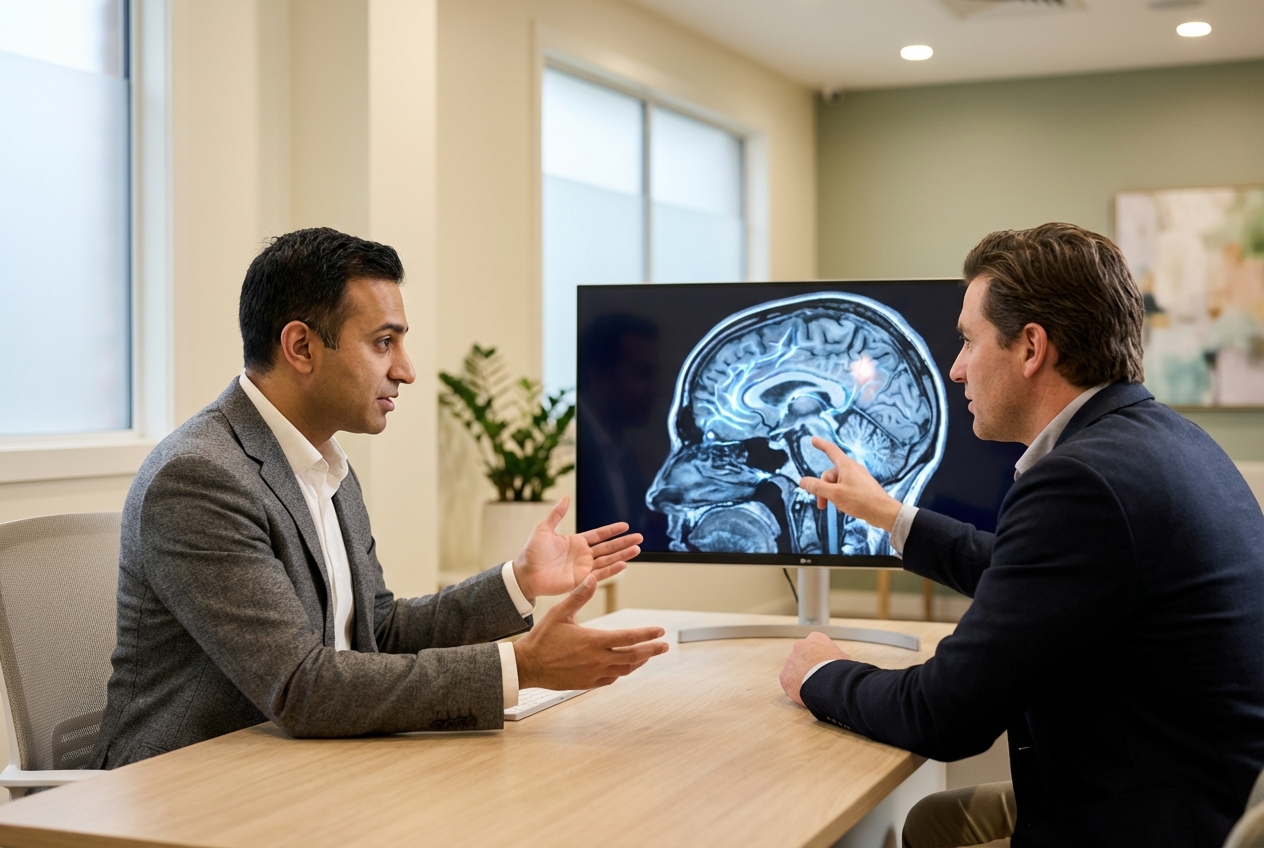
After any brain injury, the brain responds with a wave of inflammation. This natural response is meant to protect the body, but in many people it sets off a chain reaction that disrupts critical systems.
One of the most common long-term effects is damage to the hypothalamic-pituitary axis (HPA), your brain's hormonal control center. Research published in the Journal of Clinical Endocrinology & Metabolism found that 30 to 50 percent of TBI patients develop pituitary dysfunction, leading to deficiencies in growth hormone, testosterone, thyroid hormones, and cortisol.
TBI also causes increased oxidative stress, inefficient cellular energy production, and impaired neuroinflammatory regulation. Together, these changes drive the persistent symptoms that standard medicine often dismisses as "just depression" or "stress."
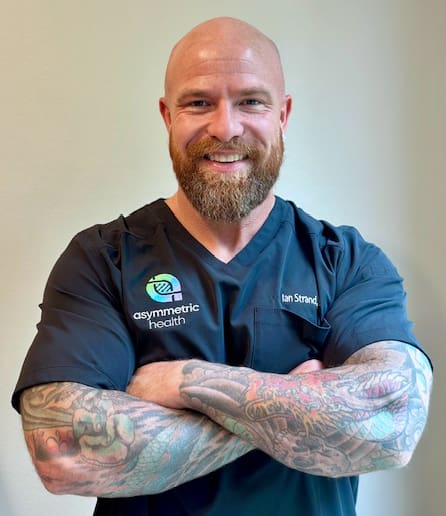
Dr. Strand follows the Millennium TBI Network protocol developed by Dr. Mark Gordon, a leading authority on TBI-related hormonal dysfunction. This protocol goes far beyond standard concussion care by identifying and treating the underlying chemical and hormonal imbalances that persist after head trauma.
The approach combines three pillars: advanced diagnostic lab work to map the full scope of dysfunction, targeted hormone replacement to restore deficient pathways, and anti-inflammatory supplementation and peptide therapy to reduce neuroinflammation and support brain healing at the cellular level.

You don't need to have been in an explosion or a car wreck. Concussions, repeated sub-concussive impacts, and even mild head injuries can cause lasting hormonal disruption. According to the CDC, 2.8 million Americans visit the ER for TBI annually, and millions more go undiagnosed.
Blast exposure, combat concussions, and repeated head trauma during service. Many veterans live with undiagnosed hormonal dysfunction for years after separation.
Contact sports (football, hockey, MMA, boxing, soccer), cycling accidents, and repetitive sub-concussive hits from years of play.
Car accidents, falls, workplace injuries, and recreational accidents. Even "mild" concussions can cause lasting hormonal disruption if left untreated.
Physical trauma to the head from assault or abuse can cause the same neuroinflammatory cascade as any other TBI.
Falls, sports injuries, and accidents during development. Hormonal effects may not manifest until years later as the endocrine system matures.
If you were told your symptoms would "go away" but they haven't, your hormones may be the missing piece your doctors never tested.
Whether your injury was 6 months ago or 20 years ago, it's not too late.
A specialty evaluation following Dr. Mark Gordon's Millennium Health Network protocol. We go beyond standard concussion care to identify and treat the hormonal and neuroinflammatory dysfunction that persists after head trauma.
Select the TBI evaluation package. This includes an extended diagnostic lab panel, a 60-90 minute evaluation with Dr. Strand, and a comprehensive treatment plan targeting your specific hormonal and inflammatory dysfunction.
Visit any Labcorp location. Our TBI panel goes well beyond standard blood work: full hormone panel, growth hormone markers (IGF-1), neuroinflammatory markers, metabolic function, nutrient status, and additional biomarkers specific to brain injury recovery.
Meet via telehealth or in-clinic for a thorough review. Dr. Strand walks through every marker, explains how your TBI affected your chemistry, and presents your personalized treatment plan including hormone replacement, peptide therapy, and supplementation.
Your protocol may include hormone replacement (testosterone, growth hormone secretagogues, thyroid), peptide therapy (BPC-157, Selank, Thymosin), targeted nutraceuticals, and pharmaceutical adjuncts. Medications ship to your door. Ongoing monitoring ensures optimization.
Millennium Protocol One-time evaluation. Most comprehensive TBI workup available.
Ongoing care under Dr. Strand?
Most TBI patients continue with a membership for prescriptions, lab monitoring, peptide therapy, and protocol adjustments. Plans from $117/mo.
View membership options →He explains things clearly and thoroughly, never rushing, and makes sure you understand both the "why" and the "what" behind your care.
I'm 75 years old and have dozens of doctors in my life. Dr Strand has been a life-line for me. I can not overstate this doctor's ability.
I've noticed significant improvements in my energy, mood, and overall well-being. I've referred multiple people to this clinic.
Four months later, I've dropped over 30 lbs and feel like I'm genuinely on the right trajectory.
Dr. Strand makes the process simple and easy to follow. He takes the time to walk you through every step.
Broke down and explained every piece of the process to make sure I had a good understanding and felt comfortable.
This is my fourth TRT provider and the first one where I feel I receive the necessary attention and the medical knowledge to optimize my results.
The detail he goes through with you on your lab work is awesome!
I don't think I have had a health care professional actually listen to me in at least the last 20 years.
Great experience with Asymmetric Health.
The doctor explained everything clearly, discussed my options and answered all my questions.
Doctor is knowledgeable and cares about my health.
Common questions from veterans, athletes, and injury survivors considering TBI therapy with asymmetrichealth in Lacey, WA.
The Millennium TBI Protocol was developed by Dr. Mark Gordon and the Millennium Health Network. It focuses on identifying and treating the hormonal and neuroinflammatory disruptions that persist after head trauma. The protocol uses advanced lab testing to measure hormones, inflammatory markers, and metabolic function, then applies targeted hormone replacement, nutraceuticals, and peptide therapy to restore balance. Dr. Strand is a certified Millennium TBI Network provider.
The pituitary gland sits at the base of the brain and is vulnerable to shearing forces during head trauma. Research published in the Journal of Clinical Endocrinology & Metabolism shows that 30 to 50 percent of TBI patients develop some form of pituitary dysfunction, including deficiencies in growth hormone, testosterone, thyroid hormones, and cortisol. These deficiencies often go undiagnosed because standard medical evaluations do not test for them.
Common symptoms that improve with TBI-focused hormone and anti-inflammatory therapy include chronic fatigue, brain fog, difficulty concentrating, mood swings, depression, anxiety, sleep disruption, weight gain, loss of motivation, headaches, and slow recovery from physical or mental exertion. Many patients report significant improvement within the first 8 to 12 weeks of treatment.
No. Many patients we treat had their injury years or even decades ago. Hormonal disruption from TBI is often chronic, meaning it does not resolve on its own. Whether your injury happened 6 months ago or 20 years ago, if you are still experiencing symptoms, an evaluation can determine if hormonal or inflammatory dysfunction is a contributing factor.
The TBI evaluation includes an extended panel beyond our standard hormone assessment. We test total and free testosterone, IGF-1 (growth hormone marker), full thyroid panel, cortisol, DHEA-S, estradiol, pregnenolone, progesterone, inflammatory markers (CRP, homocysteine, ESR), comprehensive metabolic panel, complete blood count, vitamin D, and additional markers based on your symptoms. All labs are processed through Labcorp.
asymmetrichealth is a direct-pay practice, so we do not bill insurance. However, many patients submit their lab receipts to insurance for partial reimbursement. Our direct-pay model allows Dr. Strand to order the comprehensive testing and prescribe the treatments that TBI patients actually need, without insurance restrictions limiting the evaluation.
Absolutely. Many of our TBI patients are veterans. While we do not bill the VA directly, veterans can use our services out-of-pocket or through community care referral programs. Dr. Strand is a West Point graduate and Army combat veteran himself, and he understands the unique challenges veterans face after service-related brain injuries.
Yes. Dr. Strand sees TBI patients both in-clinic in Lacey, WA (serving Olympia, Thurston County, and the greater South Puget Sound area) and via telehealth throughout Washington state. Lab work is completed at any Labcorp location, and medications and supplements ship directly to your door.
Schedule a free consultation to discuss your injury history, symptoms, and whether the Millennium TBI Protocol is right for you. Dr. Strand sees patients in Lacey, WA and via telehealth throughout Washington state.
Lacey, WA clinic. Serving Olympia, Thurston County, and all of Washington state via telehealth.